Color and profile
Compare a physical sample with the brick, siding and trim in outdoor light. A small screen image can hide the blend and contrast seen over a whole roof. Where appearance restrictions apply, confirm approval before ordering.
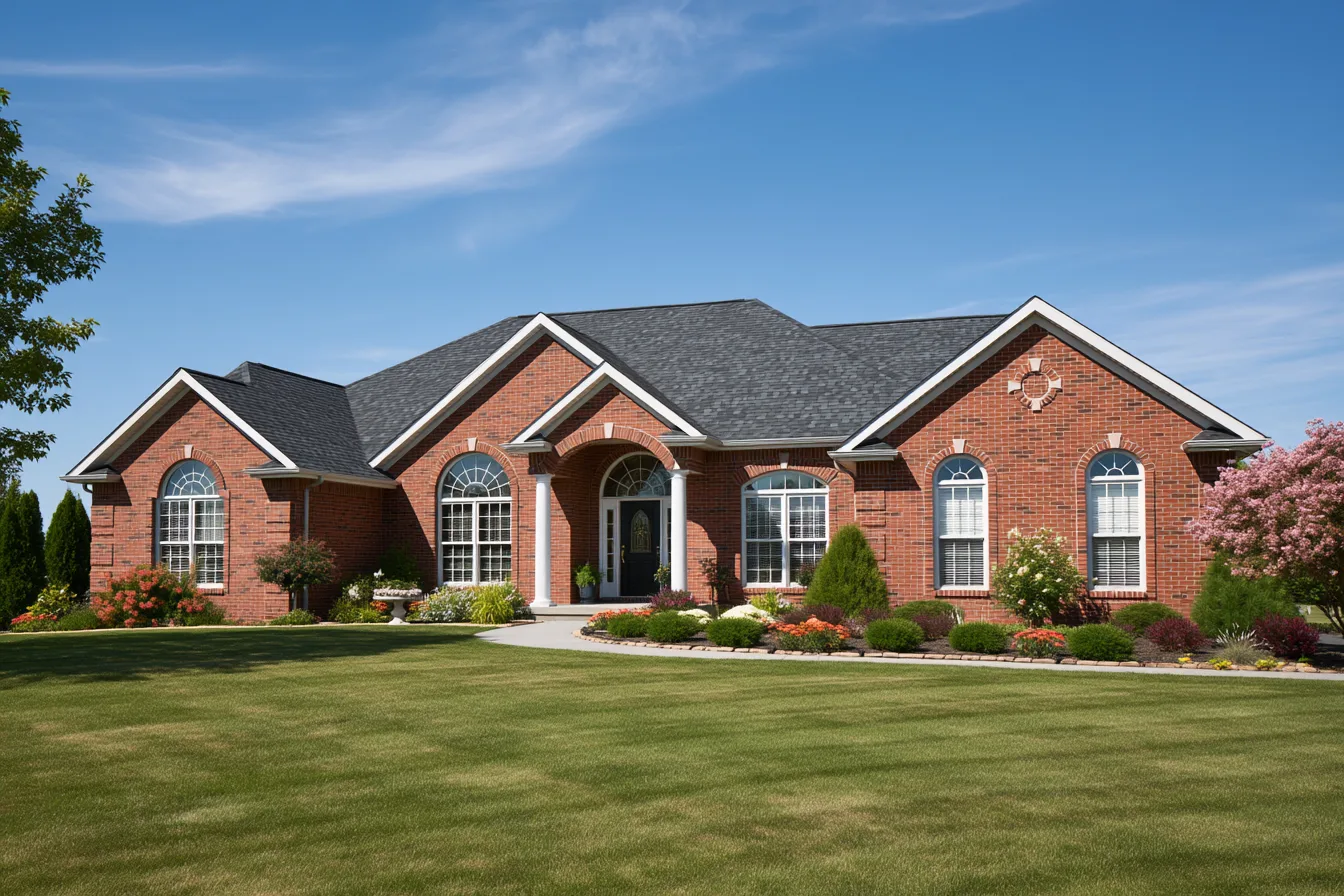
Shingle appearance, construction and impact ratings answer different questions. Compare the options with the roof system and the house in view.
Choosing shingles is partly a visual decision and partly a roof-system decision. A layered profile changes the look; an impact classification describes a particular test; installation details determine how the materials connect on the house.
Compare those differences alongside the actual slope, repair compatibility and any property appearance requirements before selecting a product.
A style category and an impact classification can overlap. An architectural shingle may be impact-rated, while a designer profile describes appearance rather than one universal performance level. Confirm the exact product rather than relying on a broad label.
| Option | What the label usually describes | What to compare |
|---|---|---|
| Three-tab | A flatter, regularly repeated tab pattern. | Availability, product requirements and whether the profile suits the intended repair or replacement. |
| Architectural | A laminated dimensional profile with a layered appearance. | The actual product, color blend, installation requirements and written coverage. |
| Impact-rated | A product that has passed a specified impact-resistance test. | The rating on the exact product and its limits; style alone does not establish the rating. |
| Designer | A more pronounced or distinctive profile intended to change the roof’s appearance. | Weight, roof suitability, detail components, cost and the specific product rating. |
An impact rating describes performance under a defined laboratory test. It does not reproduce every combination of hail, wind, aging and installation found on a real roof. The selected field shingle, ridge components and installation still need to work as an assembly.
GAF’s Class 4 guidance explains its UL 2218 classification and states the limits of hail coverage. It also says insurance discounts are not guaranteed. Confirm the exact product and any insurer requirements before an upgrade is priced as a saving.
A tested product can be a considered choice without being sold as hail-proof. The proposal should make the selected material and the reason for choosing it clear.

A roof should look right on the house and be built correctly beneath that appearance.
Compare a physical sample with the brick, siding and trim in outdoor light. A small screen image can hide the blend and contrast seen over a whole roof. Where appearance restrictions apply, confirm approval before ordering.
Slope, underlayment, flashing, ventilation and fastening are construction choices. A darker color or more expensive profile cannot correct an inadequate wall connection or an unsuitable low-slope application.
Plan the complete replacementNo. Architectural describes a dimensional style of shingle; impact resistance is a classification for a particular product. Some architectural products carry an impact rating, so check the exact material being proposed.
No. A warranty defines an issuer’s responsibilities under stated conditions. Actual service life depends on the roof, installation, weather and care. Read the coverage and remedy rather than treating a term as a lifespan prediction.
Compatibility and a sound tie-in come first. A different profile or size may not fit the existing courses correctly, and appearance can differ even with a nominal color match. The repair scope should address both.
No. The measured slope and selected product’s installation requirements matter. A lower roof may need a different system from the main house, with its transition included in the proposal.
Bring the appearance or performance question to a free inspection. Compare choices after the roof shape, current covering and necessary detail work are understood.