A localized repair
Sound shingles and decking around a defined defect may allow work to stay in one area. The repair includes the necessary underlayment and flashing connections, even when only a few shingles look damaged.
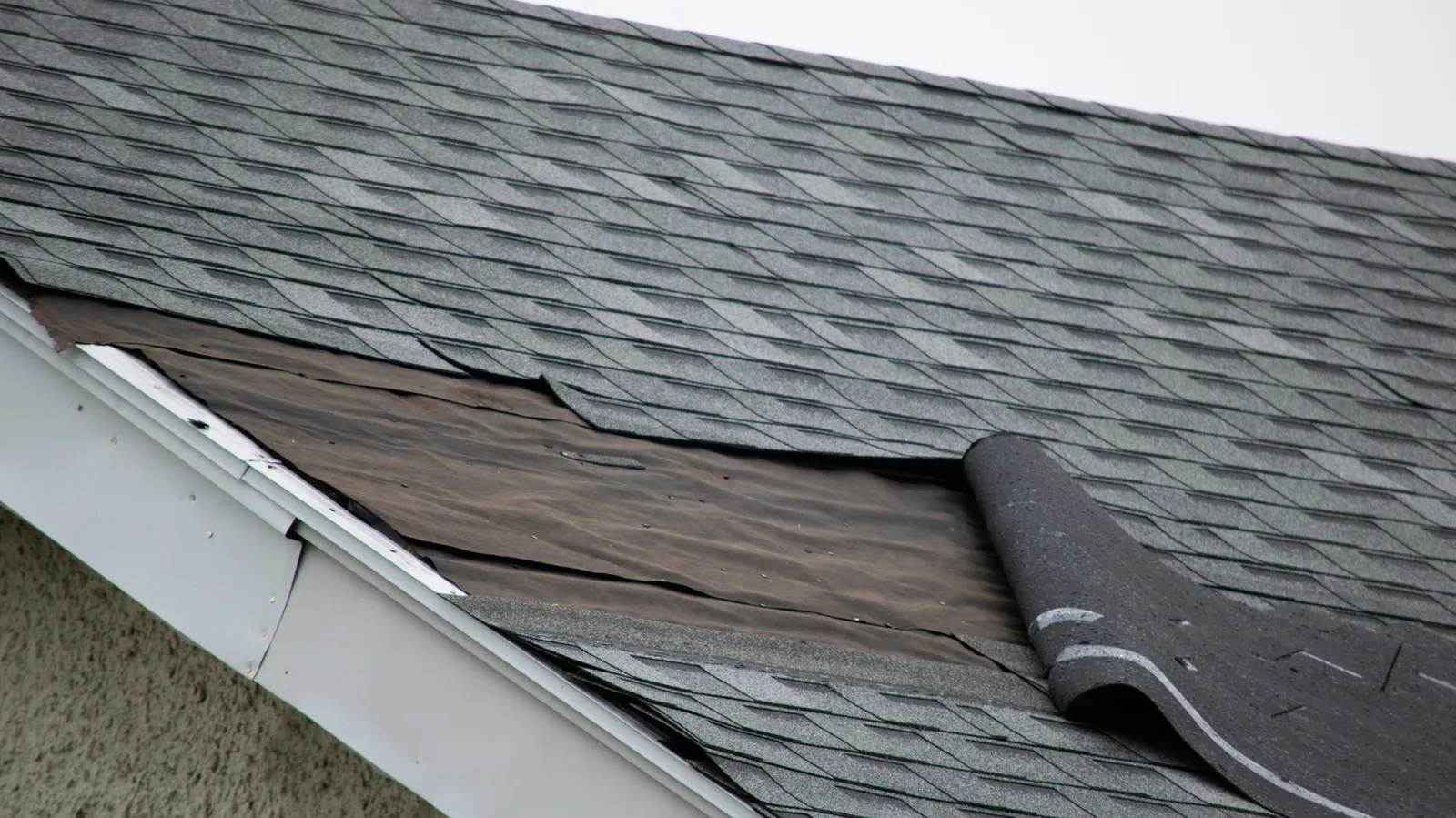
Get help with a roof leak, damaged shingles or flashing that is no longer keeping water out. A free roof inspection helps establish the repair your Red Oak home needs.
A roof repair earns its place by solving a defined problem while keeping sound roofing in service. That can mean replacing damaged shingles, renewing a pipe boot or rebuilding a connection where the roof meets a wall. The visible opening is the starting point, not always the full working area.
Water can travel along sheathing or framing before it reaches a ceiling. A stain over a room may trace back to a penetration farther up the slope. Looking at that route helps avoid treating the nearest visible crack as the whole cause.
The roof also has to accept the repair. Surrounding shingles need enough flexibility to be lifted and tied back in; the decking beneath needs to hold fasteners. If either has deteriorated, the scope must reach sound material. You deserve an explanation of that added work before deciding how to proceed.

Different defects need different work. These examples explain the connection between a visible concern and the roof layers involved; the inspection establishes which applies to the property.
| Roof concern | What the repair addresses | What can widen the scope |
|---|---|---|
| Broken or missing shingles | Replace damaged units and restore the fastening and overlapping courses. | Brittle adjoining shingles, torn underlayment or damage beneath the opening. |
| Leak at a roof pipe | Renew the flashing assembly and integrate it with the surrounding roof layers. | The condition of the pipe, adjacent shingles and decking around the penetration. |
| Leak where a roof meets a wall | Restore the flashing sequence so water is directed back onto the roof. | Wall covering that must be opened to reach the upper flashing connection. |
| Damaged chimney flashing | Rebuild the roof-to-chimney connection with an appropriate upper termination. | Deteriorated adjoining material or chimney defects outside the roof repair scope. |
| Soft or water-damaged decking | Remove affected covering and replace unsound decking before rebuilding the roof layers. | The true extent of concealed deterioration becomes clearer after opening. |
Sealant has a place in specified roof details, but a bead over a failed joint does not rebuild the layers underneath. Movement, sun exposure and water flowing around the patch can reopen the route. Adding more material over the same spot can also make the original connection harder to inspect.
Consider a lower roof meeting an exterior wall. The flashing needs to work with each course of roofing and the material behind the wall finish. If water gets behind that upper connection, surface sealing at the shingle edge may miss the path entirely. A repair can require access on both sides of the joint.
A repeat leak is a reason to revisit the cause and the surrounding work. Mention earlier patches when requesting the inspection, even if you do not know which product was used. The useful question is what has to change in the connection to shed water again.
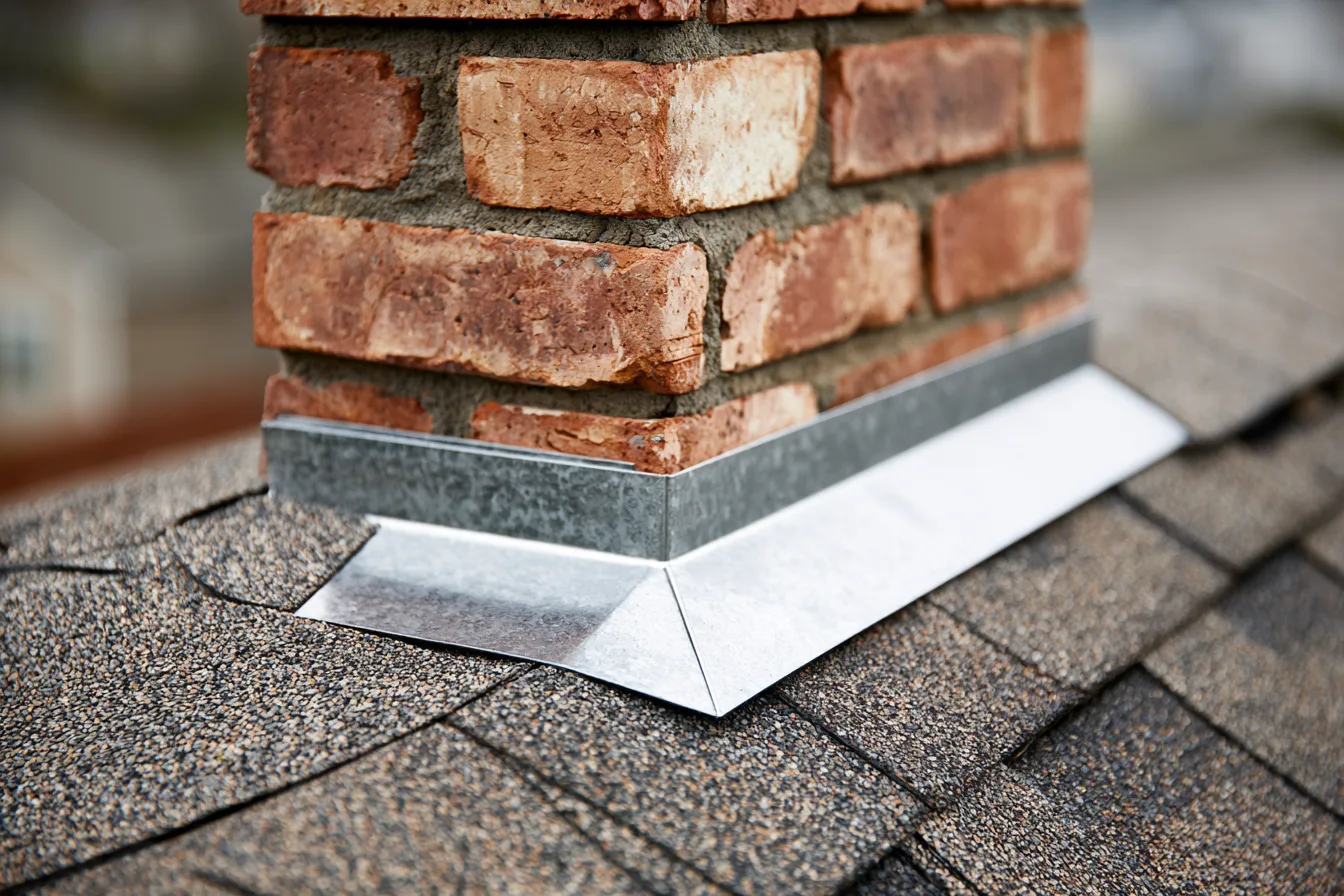
A small defect and a small repair are not always the same thing. The edge of the working area should land on material that can support a reliable connection.
Sound shingles and decking around a defined defect may allow work to stay in one area. The repair includes the necessary underlayment and flashing connections, even when only a few shingles look damaged.
Several connected failures, damaged wood or material that breaks during lifting can enlarge the job. Replacing a section can make sense when its boundaries are practical and the remaining roof is serviceable.
Widespread wear or repeated trouble across different slopes may point beyond another patch. Compare the remaining roof condition and the work already needed with a complete replacement.
Understand roof replacementStart with what you have noticed and any earlier work in the same area. There is no need to climb onto the roof or locate the entry point yourself.
The inspection examines the visible concern and nearby water paths. Interior access may help trace a leak when the stain and entry point are separated. Concealed layers can remain uncertain until opened.
The scope should identify the defect, the material being renewed and the adjoining area needed to tie it in. Discuss how additional decking damage would be handled if removal exposes more than was visible.
Permanent work restores the roof layers in their proper sequence. Where immediate exposure needs temporary protection, that work has a different purpose and should lead to a defined permanent repair.
The repaired connection, surrounding roof and cleanup deserve a final look. Interior stains may remain after the roof work; drying, paint and other interior restoration need their own assessment.
Repair cost follows the detail, access and amount of material that must be disturbed. A pipe boot on an accessible slope is a different job from flashing behind siding or around a tall chimney. A steep slope can add setup even when the damaged area is small.
Hidden deterioration is another part of the scope. If the decking is unsound, new shingles alone will not provide a secure repair. A useful estimate explains what is included and how additional exposed damage changes the work. A square-foot replacement calculator cannot price that kind of focused repair.
Height, pitch and the route for workers and materials.
Roof-to-wall connections can involve more layers than an isolated shingle repair.
Sound material sets the practical boundary of the repair.
Color, weathering and product availability affect the match. Even the same product can look different beside shingles that have been exposed for years. Appearance belongs in the repair discussion alongside whether compatible material can be installed properly.
Yes, when the failure is defined and the surrounding roof can support a sound repair. A broader problem, such as brittle covering on several slopes or widespread wet decking, changes that judgment. The inspection should explain both the defect and the condition around it.
Wind direction and rainfall can expose an opening that stays dry at other times. That pattern is useful context, but it does not identify the failed detail by itself. Mention when you notice water and any previous work so the inspection can examine the relevant connections.
Coverage depends on the policy and the cause of the damage. Wear alone is different from a covered loss, and the deductible can affect the amount payable. The Texas Department of Insurance explains these distinctions in its roof insurance guidance. The repair assessment and the insurer’s coverage decision are separate.
An exposed roof layer deserves attention before more water reaches it. You can request an inspection based on visible damage without waiting for an interior stain. Stay on the ground and describe what you can safely see.
Tell us about the leak, damaged area or earlier patch. Request a free inspection and start with the detail that needs attention.