Protect an exposed area
A temporary covering may reduce entry while safe conditions or permanent materials are arranged. Its attachment and drainage need care; a poorly placed cover can let water run beneath it or damage sound material.
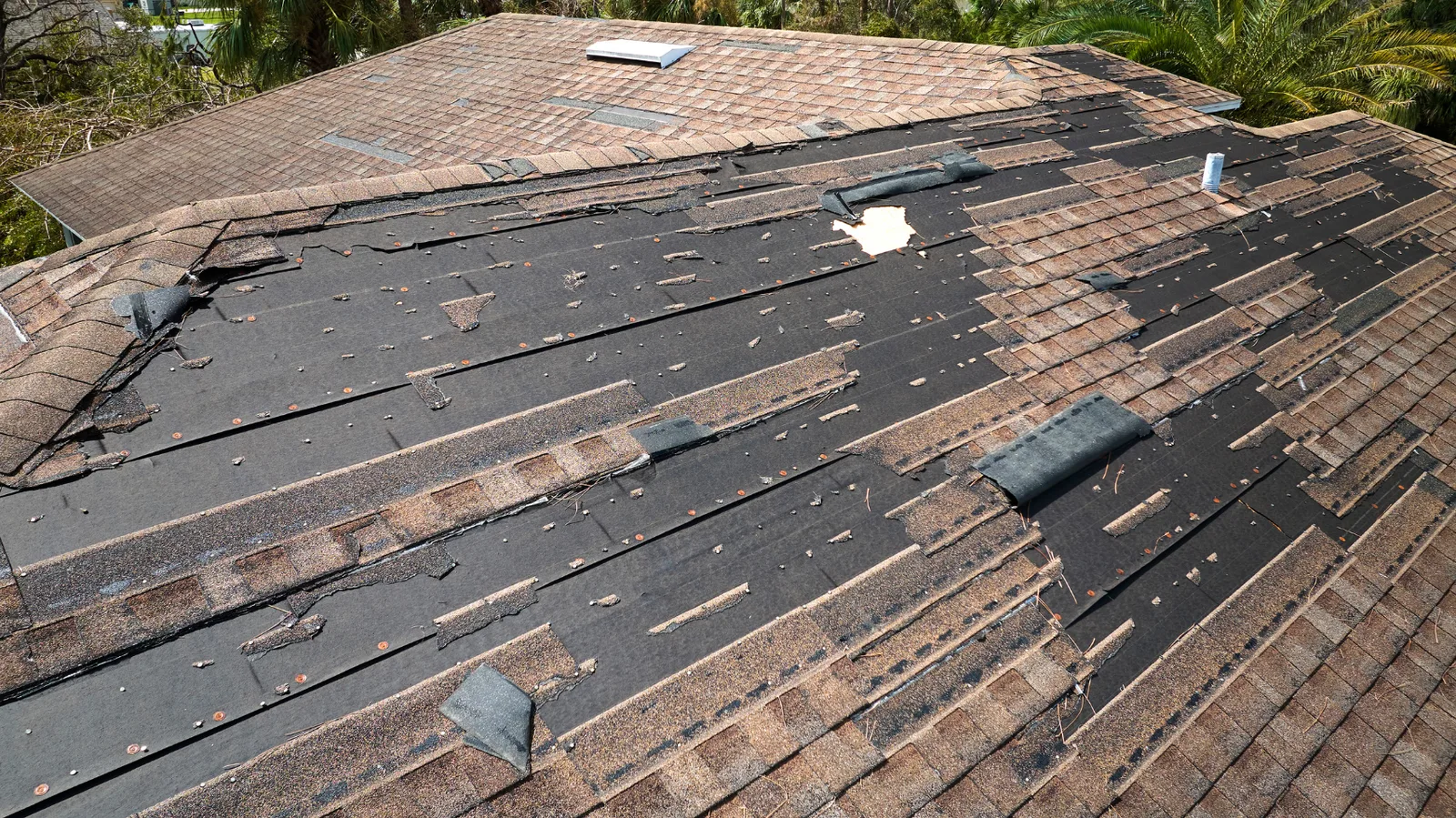
If water is entering or part of the roof is exposed, describe that first when you call. Safe access and current weather guide the immediate roofing options.
Active water inside a room, a torn-away roof section or a loose detail above an entrance deserves prompt attention. Call and explain whether water is still coming in, which part of the building is affected and whether the roof opening is visible from the ground.
Keep people away from bulging ceilings, wet electrical equipment and unstable areas. Move belongings only where it is safe. For an immediate threat to life, fire or an electrical emergency, use emergency services. Do not climb onto a wet or damaged roof to install your own covering.
Roofing access depends on weather, height and the condition of the surface. Call to discuss the concern and the available next step under those conditions.
Current entry needs a different conversation from evidence of an older leak.
Mention affected rooms, tenant spaces, stock or equipment.
Describe missing roof material or loose components without approaching an unsafe area.
An immediate measure should fit the roof and leave a clear path to permanent work.
A temporary covering may reduce entry while safe conditions or permanent materials are arranged. Its attachment and drainage need care; a poorly placed cover can let water run beneath it or damage sound material.
The lasting work identifies the entry, removes failed material and restores the roof layers. A tarp over a wall leak or a covering over wet, damaged decking does not resolve the underlying detail.
Once immediate exposure is addressed, the repair can be planned around what the inspection actually finds.
Discuss the building, active water and current conditions. Set a safe approach rather than assuming the roof can be walked immediately.
Identify any temporary work and explain its limits. A later inspection may still need to trace water beneath the covering or behind a wall connection.
Set the affected area, compatible materials and concealed-damage decisions. Explain any change from a small opening to a larger repair before permanent work proceeds.
Wet insulation, electrical concerns and interior restoration may need separate attention. Fixing the roof entry does not automatically make affected interior materials dry or usable.
State whether water is entering now, which part of the building is affected and any access concern you know about. Call to discuss the next step. Weather and safe roof access affect what roofing work is possible.
No. Its effectiveness depends on the entry point, roof shape and safe installation. Water entering through a wall or beneath a poorly placed cover may continue. The permanent repair still needs a diagnosis.
Call and state that water is entering now. Describe the affected room or exposed area and the property location so the immediate concern is clear.
It can change the work needed to uncover the original detail and restore disturbed materials. Keep any information about earlier temporary work available so the repair plan accounts for it.
State that water is entering or roof material is exposed, and give the property location. The next conversation can address safe protection and the repair that follows.