Repair a defined failure
A damaged boot or local shingle area can often be addressed while sound material stays. The repair still needs enough access to rebuild the surrounding layers.
Understand roof repair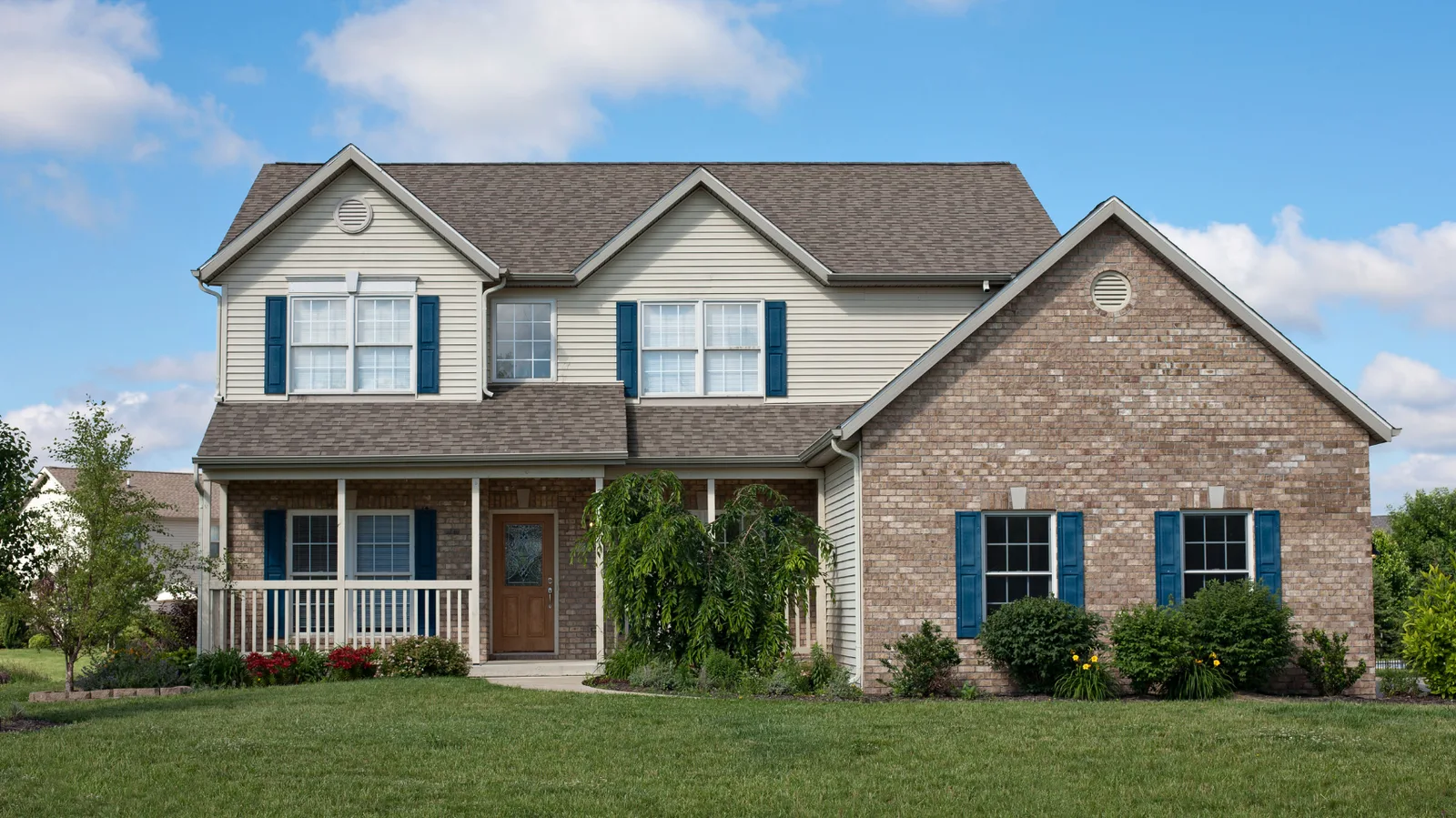
A ceiling stain, loose shingles or an upcoming roof decision can leave you unsure what to do next. A free inspection connects the concern with the condition of the roof.
An inspection is useful when it answers a real question: where is water entering, how far does damage extend, or can a repair tie into material that is still sound? Tell us what you noticed and when. You do not need to identify the failed roof part before asking for help.
A roof walk, where conditions and access are safe, lets the inspection look beyond the street view. Covering, roof edges and the connections around walls, vents and chimneys all deserve attention. Interior observations can help trace a leak when access is available, but concealed layers cannot be fully judged through an intact roof.
The next step should follow the findings. That may be a targeted repair, a broader replacement discussion or a condition to watch. The inspection helps you decide how to care for the roof you have.

Different roof parts answer different questions. A stain below one room can have a water entry point farther upslope, so the inspection needs to connect the observations.
| Area examined | What the finding can tell you | What may remain concealed |
|---|---|---|
| Shingle field and ridges | Missing, torn or brittle material can change the repair area and its ability to accept new shingles. | Fastening and underlayment beneath intact courses. |
| Walls, chimneys and pipes | Open joints, deteriorated boots and poor overlaps can explain a recurring leak. | The concealed portion behind siding or masonry. |
| Valleys and roof edges | Concentrated runoff, obstructions and edge details can help explain where water escapes its intended path. | Damaged wood beneath the covering or fascia. |
| Ventilation and attic observations | Visible intake/exhaust arrangements and moisture clues can inform further work. | Conditions in inaccessible spaces or layers. |
| Commercial roof surface | Seams, curbs, outlets and visible wear help set an investigation scope. | Moisture trapped in insulation may require more than a surface look. |
Connect the finding to a practical choice for the roof.
A damaged boot or local shingle area can often be addressed while sound material stays. The repair still needs enough access to rebuild the surrounding layers.
Understand roof repairDistributed deterioration, repeated failures or poor tie-in material can make replacement a better discussion. The proposal should identify the conditions driving it.
Plan replacementA roof without an active defect may not need construction now. Keep attention on the specific condition discussed and call if symptoms change.
After a storm, an inspection looks at the covering, seams and flashings for actual effects on the roof. Wear, installation defects and storm effects can exist together, so each belongs in the assessment.
Before a replacement or material change, the same inspection can identify details that need to be included in the proposal. A lower porch roof, an upper wall and a garage valley are easy to miss in a simple square-foot estimate. Looking at them before pricing helps make the scope useful.
Where you saw water, missing material or a change after weather.
A repair location or document can help explain what has already been attempted.
Gates, pets, tenant spaces or other details that affect a safe visit.
Free inspections and roof walks are offered. A roof walk depends on safe access and conditions. Describe the property and concern when arranging the visit so the next step fits the roof.
No. Covering, wall finishes and inaccessible spaces can hide damage. A visible defect may justify a targeted opening or further investigation before the full repair scope is known.
No. One failed connection can admit water while the surrounding roof remains serviceable. The inspection should examine both the entry detail and the condition needed for a repair.
Roof findings describe physical condition and proposed work. The insurer applies the policy and claim terms to make the coverage decision.
Tell us what brought the roof to your attention. Start with the question you want answered, and arrange a free inspection for your Red Oak property.